
Unlock Emotional Freedom Healing Childhood Trauma Books You Must Read
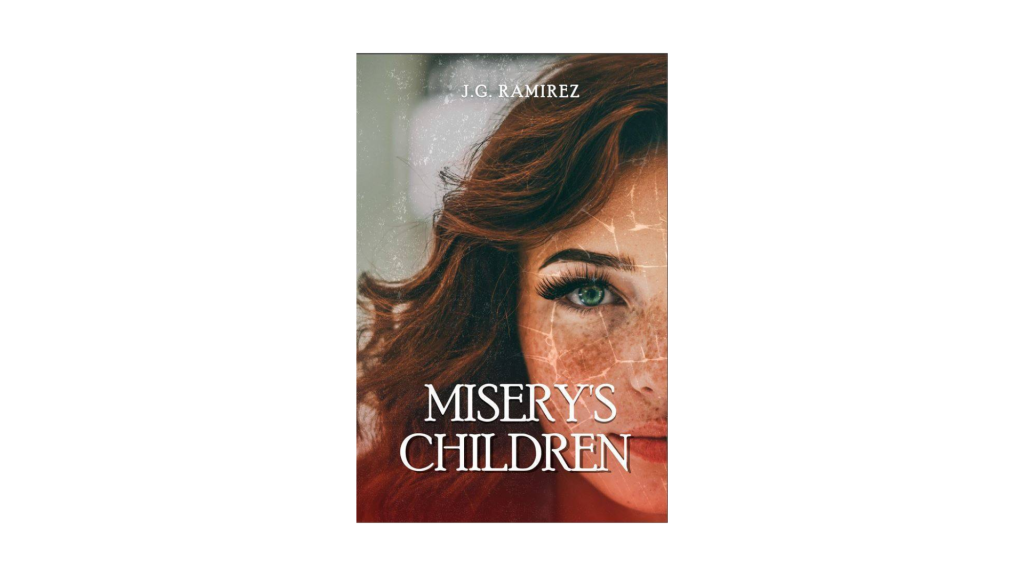
Healing childhood trauma books provide guidance. Sometimes pages hold what words cannot. A story reads you back, mirrors tucked between chapters. Pain meets paper, finds company there. Comfort hides in sentences meant for someone else. Resilience grows where silence once sat heavy. Understanding slips in during quiet moments, uninvited yet welcome. Recovery walks slowly, one paragraph at a time. People who’ve lived through similar moments often find each other here. What helps even more is how these stories pass along ways to manage tough feelings. Bottom line, they matter a great deal. Pausing with one can spark deep thoughts, maybe even peace. A look at standout reads right now might just meet someone exactly where they are. Healing childhood trauma books provide exactly this kind of guidance.
Healing Found in Stories
One way a Healing childhood trauma books helps is by showing how to handle sudden fear or uneasy feelings. Inside their pages, a person might find room to look inward without judgment. Stories from actual lives show up often, making the journey seem shared. Writing down thoughts or staying present could be suggested, gently. When trauma goes unaddressed, symptoms often grow stronger instead. Reading steps in, then, not just as escape but as quiet repair. Some writers pull from raw life moments mixed with science to make sense of pain. Books on healing childhood trauma draw near like honest friends, shaping kindness toward oneself along with a deeper awareness of feelings. Pages turn into pathways that lead farther than the present moment. Trauma healing books enhance understanding while offering gentle support along the way.
Best Books on Healing Childhood Trauma
Healing from early wounds shows up differently in every story. Some Healing childhood trauma books page dig into tough feelings using lives that feel familiar. Victories after hard times take center stage now and then. Workbooks tucked inside chapters invite quiet reflection. Help from others weaves through each step, never far behind. Starting fresh after pain means finding words that make sense. A guidebook might walk beside you, slow and steady, building worth and belief again. Not just theory, real tools fit into everyday pages. People walking through their own hurt, plus those offering support, often find something useful here. Change does happen when thoughts shift, quietly at first. Strength grows where understanding takes root. Books on healing childhood trauma help shape resilience and emotional growth. Trauma healing books provide additional strategies for everyday healing and coping.
Books and Lasting Recovery
Pages about overcoming pain stick around long after therapy ends. Because small habits every day lower tension, these guides keep showing up. Spotting harmful cycles before they grow? That becomes possible through reading. When the past involves tough growing-up years, facing truths feels less scary with a book nearby. Reaction plans for moments that spark old wounds, those come clear page by page. Patience matters most when healing takes time. Setbacks feel ordinary once you see them as part of moving forward. Doing what the book suggests builds inner strength slowly. Each page read steadily sharpens how you handle stress. Life changes quietly when ideas stick outside the chapters. Trauma healing books and Books on healing childhood trauma reinforce these skills and promote self-awareness.
Selecting a Book That Fits
Choosing a book about recovering from early-life wounds means getting clear on what you’re facing. Begin by noticing where the hurt shows up most. After that, take time to look through reader feedback or preview pages to see if it fits. Some stories arrive as life accounts, others as step-by-step help, each different in shape and voice. Healing from hurt often shows up differently; some books zero in on loss, others on being let down or mistreated. Look inside for chances to write, pause, and think it over. An author who knows the field brings weight to what they say. When care meets clear direction, progress finds a way through. What matters most? Picking one that fits just right opens paths you did not expect. Books on healing childhood trauma provide exactly this kind of tailored guidance.
The Science of Childhood Trauma Healing
Healing from early wounds often begins quietly, one page at a time. When old pain is revisited gently through reading, the body responds just as much as the mind does. Brains adapt when difficult moments are faced again, but slowly, carefully, science confirms this rewiring happens. Instead of staying stuck, thoughts gain space, thanks to techniques found in such books. Calm grows not from grand gestures, but regular practice tucked into paragraphs. Methods drawn from psychology slip in without warning, paired with small tasks that anchor awareness. Over days, repeated patterns reshape how reactions form. Resilience isn’t forced; it follows rhythm, built word after steady word. Trauma healing books let readers feel without judgment.
Conclusion
Healing childhood trauma books provide the insight and support necessary for transformation. Pages that touch old hurts often do more than sit on shelves. Moving through pain becomes possible when words show the way. Because understanding grows, so does strength after harm done long ago. From one chapter to another, kindness toward oneself begins to form. Tools appear quietly, hidden in stories, exercises, or shared truths. Each person finds something different, clarity sometimes, relief at other times. Peace often begins with a single page. Through stories and guidance, lives link across experiences. Growth shows up quietly, tucked between chapters. Strength builds when voices echo similar paths. Freedom feels closer once thoughts find their match. Hope grows where words offer clarity. Healing childhood trauma books offer the essential guidance needed for personal growth and emotional recovery.