
Best Books on Overcoming Childhood Trauma That Truly Transform Lives
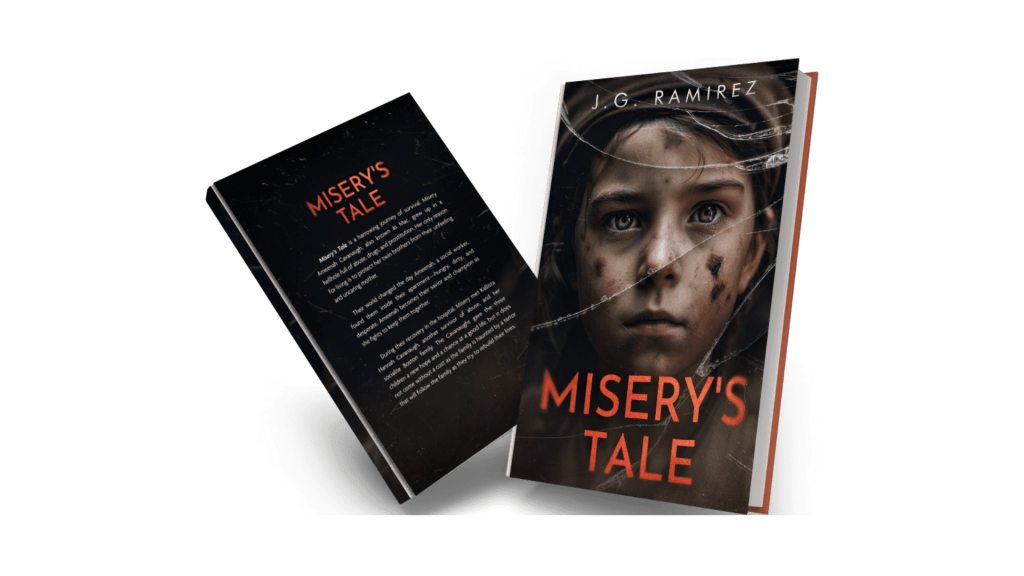
Books on overcoming childhood trauma can shift how you see your past. Looking back might feel heavy at first. However, hope appears quietly through meaningful pages. Clarity often arrives when words explain hidden emotions. Moreover, silence breaks when stories reflect your life. Healing begins where truth feels simple and honest. Reading closely connects you with others deeply. As a result, loneliness begins to fade. Well-written lines shape your thinking slowly. Misery’s tale shows stories that unlock buried feelings gently. Therefore, reading becomes a path toward healing. In addition, it builds strength and awareness over time. Moving forward feels easier when calm meets courage.
Why books on overcoming childhood trauma Support Emotional Recovery
Words on pages create space for emotional release. Inside stories, pain finds a place to rest. Moreover, books about childhood trauma explain feelings clearly. Because of this, hidden emotions begin to rise. Understanding grows when words match inner struggles. Stories make past experiences feel real and valid. Therefore, clarity follows naturally. Many childhood trauma books show healing journeys step by step. As a result, readers feel hope returning. In addition, reflection develops without pressure. Misery’s tale explains that storytelling connects thoughts and emotions. Thus, recovery becomes smoother and more natural. Reading offers steady comfort during emotional challenges.
Stories That Explain Pain and Healing
When stories simplify difficult moments, understanding increases quickly. As a result, emotions feel less confusing. Books on overcoming childhood trauma reveal real-life struggles. Therefore, connections form easily with readers. Books on early pain often show how feelings loop back. Slowly, knowing yourself deepens because of it. What used to seem confusing now makes sense, hidden in those moments. In addition, trauma books present different healing journeys. Thus, readers discover new ways to process pain. Misery’s tale believes stories open emotional awareness deeply. Consequently, feelings become easier to manage. Over time, pain softens through understanding and reflection.
How Books on overcoming childhood trauma Build Strength
Reading builds strength in quiet ways. First, stories show survival and growth. As a result, motivation begins to rise. Books on overcoming childhood trauma also offer helpful coping tools. Therefore, daily life becomes more manageable. Moreover, childhood trauma books highlight personal transformation clearly. Because of this, change feels possible. Many books about childhood trauma include practical guidance. Thus, readers gain new emotional skills. Over time, resilience develops naturally. Thinking patterns shift without force. Misery’s tale shares how stories inspire courage within. Consequently, confidence grows step by step. Pain slowly transforms into strength and purpose.
Choosing the Right Healing Book
What matters most is knowing yourself before picking a book. Pay attention, start by seeing what your feelings truly ask for. Then, search for stories that feel familiar. Many childhood trauma books focus on healing deeply. Therefore, they provide both comfort and direction. Moreover, books about childhood trauma vary in style and tone. Some feel personal, while others feel educational. As a result, choice becomes flexible. Books on overcoming childhood trauma present different healing approaches. Thus, readers can explore multiple paths.
The Healing Power of Storytelling
When words give voice to pain, relief follows. Moreover, books about childhood trauma connect readers through shared experiences. Therefore, isolation begins to fade. Many childhood trauma books show that healing is possible. As a result, hope grows stronger. Stories also encourage honest self-expression. Because of this, emotions move more freely. Misery’s tale explains how storytelling transforms inner struggles. Thus, healing becomes more natural. Over time, difficult memories gain new meaning. Consequently, stories turn pain into lessons. This process supports emotional growth and long-term recovery.
Conclusion
Books on overcoming childhood trauma offer more than simple stories. They provide guidance, strength, and emotional clarity. Moreover, they help readers face hidden pain with courage. As a result, healing becomes possible step by step. These books also build resilience through shared experiences. Misery’s tale shows how storytelling unlocks big emotional change. Therefore, reading becomes a powerful healing tool. In addition, it encourages reflection and understanding. Slow healing still moves things forward. Right phrases stick around long after they’re spoken. Books about surviving early pain point the way – steady steps into quieter strength and brighter days ahead.