
Books About Healing From Childhood Trauma and the Power of Emotional Renewal
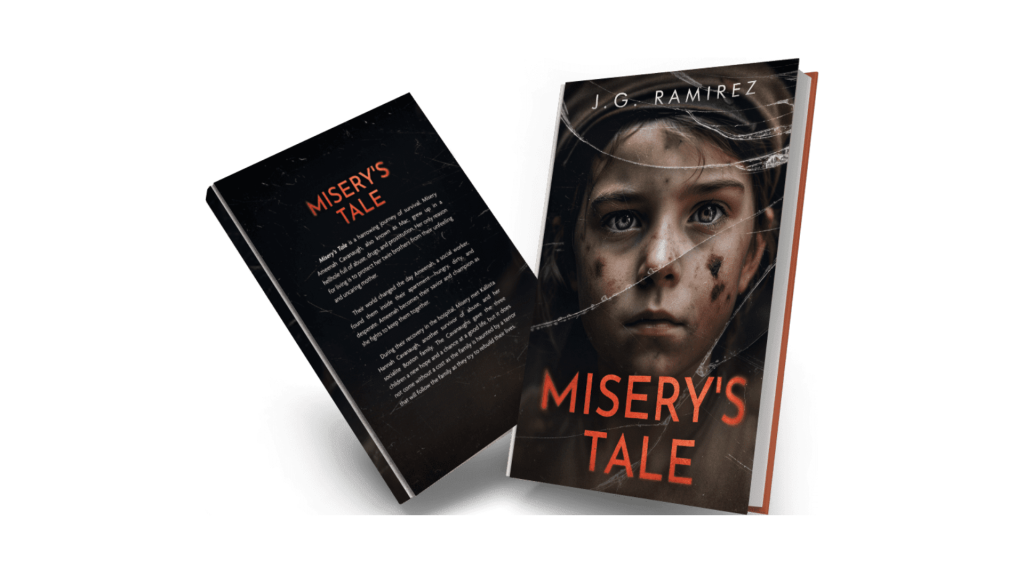
Healing from early emotional wounds calls for staying power, knowledge, and the right help. For many readers, recollections end up as a bridge between pain and recuperation. Books about healing from childhood trauma provide more than narratives. They offer validation, reflection, and desire. Through carefully written tales, readers can recognize their emotions and sense less on their own. Moreover, these books encourage acceptance in place of avoidance. As an end result, they support emotional growth and resilience. Because trauma reshapes identity, restoration often starts with information from beyond. Therefore, literature rooted in mental perception will become a significant guide. When memories are centered on empathy and transformation, they assist readers in facing their studies with braveness and readability.
Why Books About Healing From Childhood Trauma Matter in Emotional Recovery?
Stories shape how human beings’ method hard feelings. Books about healing from childhood trauma because they reflect real emotional struggles with honesty. They also create a safe area for readers to process ache at their own tempo. Unlike clinical cloth, storytelling allows emotions to spread clearly. As an end result, readers often connect extra deeply. These narratives emphasize resilience without minimizing suffering. Furthermore, they encourage self-compassion and emotional recognition. Because trauma often silences humans, written memories repair voice and dignity. In the middle of emotional healing, those books remind readers that recuperation remains feasible. Through considerate storytelling, ache becomes comprehensible, and increase feels achievable.
Storytelling as a Pathway to Understanding Trauma
Storytelling enables translating complicated feelings into relatable experiences. Through narrative shape, emotional confusion profits clarity. Readers regularly find themselves in characters’ reactions and picks. This popularity reduces shame and isolation. Additionally, tales permit readers to revisit hard moments confidently. Because creativeness creates distance, a mirrored image turns into much less of an overwhelming one. Authors with psychological insight add intensity and credibility to these narratives. Consequently, the memories seem grounded and sincere. Over time, repeated exposure to restoration narratives strengthens emotional resilience. This procedure allows self-recognition and emotional law. Therefore, storytelling becomes both a reflection and a guide for healing.
Psychological Insight Behind Meaningful Trauma Narratives
Psychological knowledge strengthens emotional storytelling. When authors understand trauma responses, their narratives feel genuine. Emotional triggers, coping behaviors, and internal warfare appear practical. This realism builds belief with readers. As an end result, readers have interaction more deeply with the tale. Furthermore, psychology-based totally narratives avoid sensationalism. Instead, they focus consciousness on booms, barriers, and popularity. Under this approach, best books on healing childhood trauma emphasize emotional safety and validation. They also highlight the importance of patience in recovery. Because healing is not linear, these stories respect setbacks. In addition, best books on healing childhood trauma encourage readers to define healing on their own terms.
Healing Through Acceptance and Transformation
Acceptance stays a key step in emotional recuperation. Trauma frequently forces individuals to redefine identification. Stories that deal with this shift help readers understand their new emotional landscape. Rather than yearning for the past, characters discover ways to honor survival. This angle encourages readers to do the same. Transformation no longer erases pain. Instead, it integrates experience into increase. Authors whose consciousness is on recognition keep away from unrealistic resolutions. Consequently, readers experience being respected and understood. These narratives support the idea that restoration includes change. Through mild development, tales’ model emotional adaptability. As a result, readers gain self-belief in their own healing journey.
Giving Voice to the Unheard Through Literature
Trauma regularly silences people, especially youngsters. Literature restores that misplaced voice with care and intention. Stories focused on emotional reality validate reports that often remain hidden. Readers sense seen while narratives mirror their internal struggles. Moreover, those testimonies increase recognition without judgment. Because empathy drives the narrative, readers connect deeply. This connection fosters expertise across exclusive experiences. Before accomplishing the conclusion, it’s far more critical to well know the position of healing childhood trauma books in emotional advocacy. These works make sure that hard stories acquire respect and interest. Through storytelling, silence transforms into shared information.
Conclusion
Healing requires time, endurance, and compassionate guidance. Books about healing from childhood trauma offer readers emotional gear and reassurance. Through thoughtful storytelling, ache turns into understandable rather than overwhelming. These narratives assist reflection, popularity, and transformation. Importantly, they respect every reader’s tempo and emotional obstacles. Stories grounded in psychological insight construct acceptance as true and authentic. As readers interact with those works, they often find validation and desire. Moreover, literature reminds readers that resilience grows via know-how. When stories honor lived experiences, recovery feels feasible. Ultimately, significant narratives help readers flow forward with power, clarity, and renewed emotional balance.