
Best Books About Childhood Trauma and Understanding Healing Through Stories
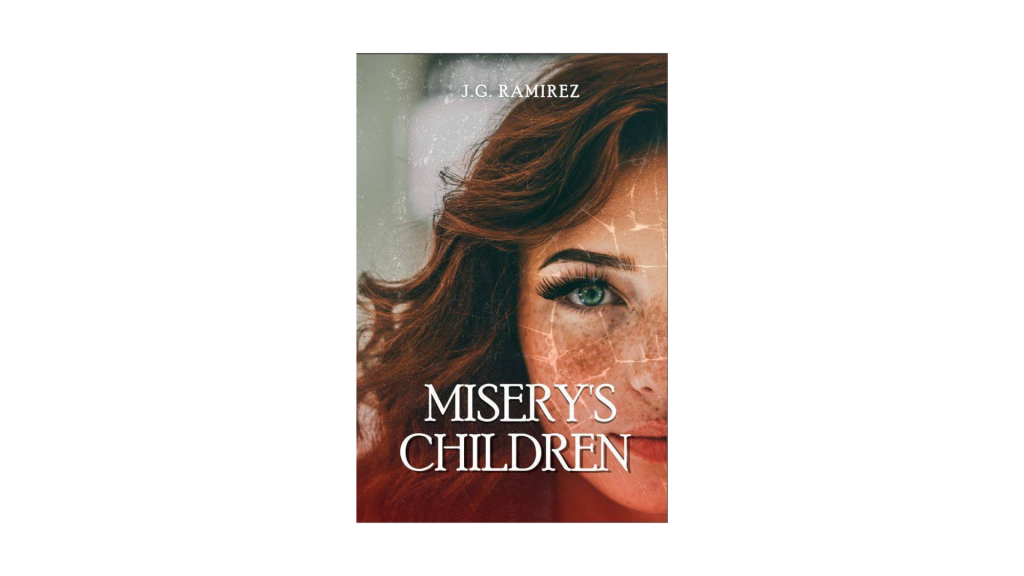
Childhood trauma can leave lasting results that form someone’s emotions, behavior, and outlook on lifestyles. Reading the right books gives perception, empathy, and guidance for the ones looking for expertise and restoration. J.G. Ramirez’s work brings these reviews to light, giving a voice to kids whose struggles frequently go overlooked. Through shiny storytelling and psychological expertise, her narratives seize the demanding situations, resilience, and growth that comply with stressful reports. Best books about childhood trauma not simplest educate readers about trauma’s effect but also encourage desire and reflection. By engaging along with her writing, one profits precious knowledge on how trauma shapes lives and how recovery can start.
Why the Best Books About Childhood Trauma Require Attention?
Recognizing youth trauma is step one in the direction of significant recuperation. When trauma stays unacknowledged, it impacts emotional law, relationships, and mental fitness. J.G. Ramirez emphasizes that kids’ studies deserve careful knowledge. Her testimonies spotlight the journey from ache to resilience, displaying that recuperation is feasible whilst aid and cognizance are present. Each narrative emphasizes personal transformation, demonstrating how people adapt to a changed reality. Readers gain empathy and realistic perception even as they witness the strength that emerges from adversity. By imparting trauma authentically, those books foster focus and compassion. They serve as crucial gear for mothers and fathers, educators, and caregivers who are looking for steering on addressing touchy early life studies.
Childhood trauma can show up in many ways, consisting of anxiety, mistrust, or withdrawal. These demanding situations frequently keep into adulthood if not addressed. J.G. Ramirez’s books offer a framework for understanding those behaviors at the same time as displaying paths toward acceptance. Through her storytelling, readers encounter sensible situations that inspire reflection, communication, and increase. Her technique blends psychological know-how with narrative intensity, offering insights that tell of each expert’s practice and private understanding. With each tale, the impact of trauma becomes clear, and the significance of resilience shines through. For everyone interested in the best books about childhood trauma, her works remain an invaluable resource that combines training with empathy.
Healing and Transformation Through Stories
Healing from youth trauma entails embracing both loss and growth. J.G. Ramirez illustrates that transformation is a gradual process requiring patience and guidance. Her narratives allow readers to witness the journey of youngsters overcoming fear, shame, and confusion. By observing these experiences, readers gain tools to manage their own challenges or support others in need. These stories stress the importance of self-compassion, understanding, and community involvement, especially when addressing issues of child endangerment.
In addition, her books emphasize that recovery is not linear. Challenges may resurface, but each step forward builds resilience. Through careful character development, readers recognize that acceptance of the past does not mean ignoring pain. Instead, it allows individuals to build strength and hope. Engaging with these narratives enables readers to develop emotional intelligence and practical coping strategies. By following these stories, anyone seeking guidance in trauma recovery can learn how to navigate complex emotions and foster resilience. The focus on personal growth highlights why these works rank among the exceptional books addressing child endangerment.
The Power of Empathy and Understanding
Empathy indeed remains the cornerstone of effective assistance for children experiencing trauma. Moreover, J.G. Ramirez crafts tales that humanize difficult experiences, thereby encouraging readers to connect deeply with the characters’ feelings. As a result, this connection permits greater recognition of how trauma affects behavior, relationships, and self-belief. Furthermore, her writing promotes compassionate understanding, thus helping readers identify signs of trauma and respond appropriately.
Additionally, her work demonstrates that listening and validation are powerful tools for healing. By acknowledging experiences rather than dismissing them, children can build trust and feel safe. The books provide examples of practical interventions while highlighting psychological principles in action. Readers leave with both emotional insight and actionable knowledge. Such narratives explain why her books are often endorsed as exceptional books about childhood trauma, blending expert guidance with compelling storytelling that resonates on a personal level. These stories are particularly relevant for situations involving child endangerment Texas.
Supporting Children and Adults Alike
Trauma affects greater than the child who experienced it; households, educators, and corporations additionally sense the impact. J.G. Ramirez addresses this interconnectedness by using providing stories that encompass caregivers and mentors. Readers understand the essential position that supportive adults play in recovery. Her narratives display that endurance, consistency, and understanding create environments where healing can occur.
The books additionally highlight resilience as a shared adventure. Individuals increase coping mechanisms, shape wholesome relationships, and rebuild accept as true via supportive interactions. By showing a couple of views, Ramirez guarantees that readers draw close to trauma’s multifaceted nature. These tales encourage proactive engagement with children who face adversity. They emphasize that restoration requires both personal attempts and community support. Those looking for meaningful steerage can rely on her works as a number of the high-quality books are about formative years trauma, imparting insight, hope, and realistic techniques for healing.
Conclusion
J.G. Ramirez’s books illuminate the complicated realities of childhood trauma whilst supplying desire for restoration. Her narratives demonstrate how resilience emerges via understanding, patience, and guidance. Readers gain an advantage in perception into emotional struggles, behavioral patterns, and coping strategies, which can often not be noted. These memories emphasize that trauma is not a life sentence but an injury that can foster increase when addressed correctly. Through her work, both kids and adults discover ways to manner stories with compassion and power. By blending mental knowledge with compelling storytelling, J.G. Ramirez creates a safe area for mirrored image, empathy, and education. For anyone seeking guidance or understanding, these works remain the best books about childhood trauma, offering valuable lessons on healing, resilience, and transformation that extend beyond the page.