
Unveiling Childhood Trauma – Misery’s Children Through Psychology and Literature
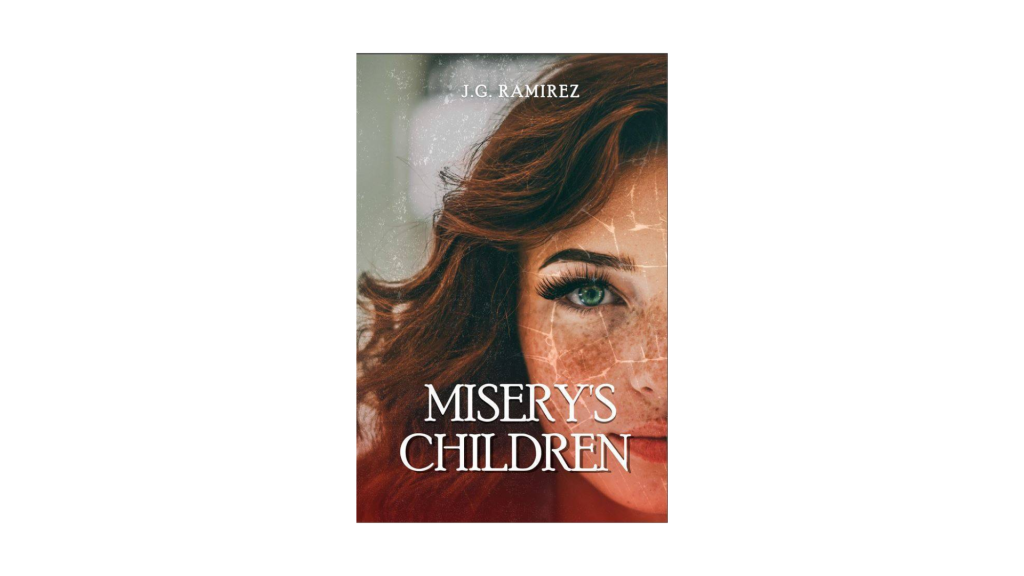
Life’s early wounds linger longer than most admit. Psychology books about childhood trauma reveal how experiences shape young lives. Children dig deep into harm done young, paths through pain, and what emerges after brokenness. Stories bind raw moments together here, truth stretched bare across pages meant to unsettle. Hurt echoes, yet so does stubborn strength found in small voices rising. Some survive just by refusing to disappear. Pages unfold stories where pain meets quiet repair. Yet every chapter quietly points to warning signals often missed. This book grows compassion alongside knowledge, stirring movement without force. In truth, few resources carry such weight for those facing the echoes of troubled youth.
Misery Literature Through Psychology Books About Childhood Trauma
Hard times fill many pages in Psychology books about childhood trauma. Because pain connects deeply, such tales stick with people. Children show kids pushed too far by cruelty. Still, strength appears even where fear runs high. Out of hardship comes a different kind of power. Society must shift, not just individuals surviving within it. Lessons soaked in pain tend to linger longest; kindness and fairness show up raw here. These stories pull back curtains most choose not to see. Feeling moved by them means something real has shifted inside. Ultimately, misery literature teaches empathy while revealing truths often ignored.
The Mission of Children
Through dark corners of injustice, one story pushes forward, a fight not just against chains but silence. A single step becomes defiance when shadows stretch long. Courage shows up quiet, sometimes, wearing ordinary shoes. Behind every name reclaimed is breath held too tight for too long. This journey does not promise safety; it promises motion. Change arrives lopsided, uneven, real. What looks like hope from afar feels more like grit up close. Starting off quiet, the tale stresses how speaking up matters. A single act might spark many others joining in, as shown through Misery’s Children. Heavy feelings pile up when pain repeats every day, something the story does not look away from.
What Growing Up with Trauma Taught Me
Healing often begins when someone feels truly heard. Though pain from early years runs deep, growth still finds a way through. A story like Misery’s Children proves that strength can grow from hardship. Because trust forms slowly, bonds with others matter greatly along the journey. Therapy enters the picture not as a fix but as steady guidance. Community appears quietly, yet its presence shifts everything over time. Through Misery’s eyes, we see how facing pain sooner keeps deeper wounds at bay. Readers start noticing quiet struggles, then reach out before things spiral. Hope stays alive because someone chooses to listen each day.
Children Matter in Psychology Books About Childhood Trauma
What makes children stand out is how it opens eyes and moves people. Stories like this one teach without losing their emotional punch. Hidden truths about kids at risk come to light through its pages. Because the characters fight hard, readers stay close to their journey. The pain they face lingers long after the last line. What stands out is how the story quietly pushes readers to care more. Children show that change begins with words on a page. Protection for kids isn’t just policy; it lives in moments between characters.
Children of Misery Face Real Consequences
Kids who suffer make their way into stories that change how people think. A novel can open eyes when silence used to rule. People start seeing harm where they once looked away after reading such pages. Communities shift, slowly, because words on paper begin to echo out loud. Stories about pain bring light to corners that everyone avoided before. Young lives carry deep marks when trauma shapes their days. Still, talking openly brings light to how we might stop harm before it starts. Courage tucked inside personal tales wakes something quiet in people who listen.
Real-Life Impact of Psychology Books About Childhood Trauma
Misery’s Children leaves a real-life impact on its readers and society. The book encourages people to notice abuse and act. Moreover, it motivates communities to protect children and support survivors. Misery literature like this highlights issues often ignored or hidden. Young lives carry deep marks from trauma, something readers grasp quickly. Talking openly grows when people reflect on how to prevent harm and offer support. Courage told through real experiences wakes up a sense of purpose in others. Action stirred by understanding moves quietly but reshapes what is possible.
Conclusion
Psychology books about childhood trauma, including Misery’s Children, are essential reads. Pain shows up here, yet so does strength, along with quiet moments of light. This one stands out; its version of misery literature feels sharp, real. A story pulls you in, teaches without feeling like a lesson. Emotion sticks around long after pages turn. What happens when pain sparks change? A deeper look shows how seeing suffering can push people to move. Because someone cares, support grows stronger. Strength appears where you might least expect it, built through tough moments and quiet understanding.