
Understanding The Impact of Miserable Literature
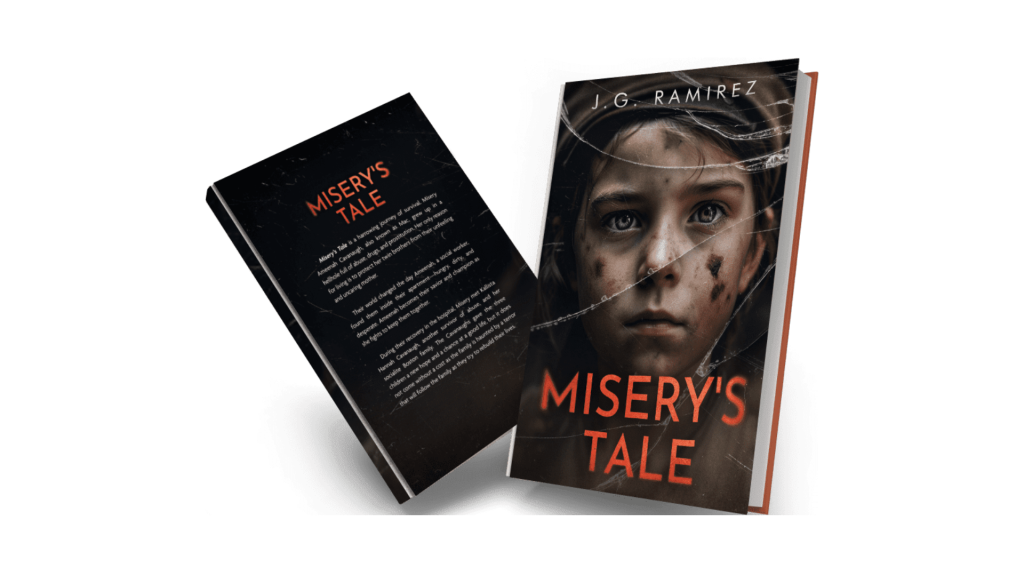
Stories shape how we comprehend our emotions. Many textbooks look for consolation in the pages of raw and passionate narratives. That is why misery literature continues to earn attention. It shows discomfort, loss, and resilience. Moreover, it gives a mouthpiece to unspoken struggles. People feel witnessed when characters fight combats similar to their own. This genre leads us into dark slacks. Yet it always helps us explore for light. Readers follow a separate journey with hope for healing. While life may feel overwhelming, a relatable story often brings courage. Literature becomes a mirror.
However, it mirrors the hidden corners of the human heart. However, it also coaches us toward growth. Characters endure heartbreak, but they rise again. Therefore, every page feels truthful. The power of a suffering character lies in their transformation. Although despair emerges strong, hope still rises. Because of that, this genre teaches strong lessons. It says pain does not define us perpetually. Instead, our resilience forms the most potent chapters of our lives.
The Emotional Strength in Misery’s Tale
Human beings want to belong. And they enjoy understanding their sentiments. Misery’s Tale offers that passionate connection. Readers witness grief and recuperation. The characters stand in the gloaming but search for the sun. Therefore, sorrow builds a bridge instead of a wall. People link to the vulnerability on each page. They read these stories to judge less alone. As a result, modification feels possible. Although despair exists, inspiration voices louder. The narrative recommends hearts toward hope.
How Characters Build Courage Through Struggle
Characters frequently face heavy challenges. Yet they drive forward. That judgment inspires readers to think in their own strength. Although even undersized victories feel consequential. While darkness encircles them, their bravery still flourishes. Their dynamic journeys become lessons we remember.
Why Readers Crave Authentic Emotion
Modern life forms pressure. People must seem strong all the time. Therefore, many hide their fears. Publications become a safe space. Pain becomes fine. Ashen characters cry, readers breathe with reassurance. The story allows sentiment to flow freely. Authentic storytelling facilitates healing. Readers feel condolence because someone comprehends their silent battles.
The Art of Storytelling and Human Connection
Writers shape sentiment. Their words pull texts into the story. The art of storytelling keeps hearts entertained. Although the topic may feel serious, every sentence controls the purpose. Writers use symbolism, imagery, and reflection. However, these elements lead readers to deeper truths. As the story unfolds, readers gain a mood. They see joy hidden behind sorrow. They learn that healing begins when they embrace their feelings. Because of that, storytelling becomes transformative.
Exploring Character Depth and Perspective
Great stories never rush. They reveal adventures layer by layer. Readers uncover motivations and fears. When characters try to survive, readers celebrate their transition. The journey becomes personal. People accept these lessons into real life. Hope forever remains close, even in suffering.
The Role of Realism in Transformation
Realism supports readers’ belief in the story. While challenges may conflict, touching pain is universal. Many determine similar wounds. Therefore, the efforts feel honest. Realistic storytelling reminds us that life may break us, but rebuilding is possible.
Triumph Through Pain and Purpose
Humans are resilient. We rise from fights and learn. Literature enables us to see that strength. Stories full of torment also highlight dignity. So they illustrate how hope becomes emphatic when everything feels lost. Characters keep driving, step by step. That deduction encourages readers to remain strong. And, significantly, storytelling blends hope into every challenge.
The Healing Journey Within Stories
Healing takes time. Characters uncover their strength slowly. Readers catch every step. That closeness completes comfort. Although conversion hurts, courage grows. Therefore, each chapter becomes a reminder of achievement.
Finding Meaning in Darkness
Meaning gives life meaning. Even pain can shape a more powerful identity. Literature helps textbooks search for understanding. Moreover, narratives often show that love and communion lead to emotional safety. As a result, many anthologies find encouragement.
Why Misery Literature Holds Lasting Value
Books that study suffering continue to impact people. They prove that susceptibility is a strength. This genre exhorts reflection. Readers examine their own disappointments and triumphs. And they welcome the truth that imperfection is unpretending. Through these stories, humans feel closer to each other. The emotional truthfulness remains timeless.
Literature as Emotional Support
People may flounder silently. They crave guidance. Books become comrades during difficult moments. While reading, many feel understood. That emotional mount fosters healing. Because of that, these records stay relevant.
Growth Through Storytelling
Transformation evolves the heart of every powerful narrative. When feelings face fear and loss, they also uncover bravery. Readers desire that transformation for themselves. They continue reading because they enjoy witnessing hope win.
The Evolution of Misery’s Tale in Modern Writing
Modern authors persist in highlighting emotional truth. They construct characters who represent real struggles. Misery’s Tale introduces new arrangements of storytelling while maintaining deep emotional roots. Writers incorporate innovative styles with classic themes. Although times change, touching needs remain the same.
Storytelling Across Different Cultures
Pain is universal. People everywhere participate in heartbreak. Therefore, stories illustrating sorrow connect across borders. Readers find reassurance in shared emotions. They discover strength through compassion.
New Perspectives on Suffering and Recovery
Authors analyze mental health, identity, and intention. Their narratives stimulate open conversations. They show that fervent healing matters. Transformation uplifts confidence. Literature becomes a lodestar toward improved well-being.
Conclusion
Every journey transforms us. Literature helps individuals see their feelings clearly. While stories explore grief, they constantly highlight resilience. Readers observe characters who face impossible odds. Yet they uphold moving forward. That determination encourages readers to fight their own struggle. Pain teaches lessons we cannot miss. Although misery weighs heavily, hope refuses to disappear. Characters grow more muscular because of their struggles. This truth becomes the most prominent inspiration.
Therefore, misery literature continues to control hearts around the world. It guides people through feelings they fear facing alone. Readers discover that recovery exists inside them. The message becomes powerful and motivating. When sadness appears, boldness answers. Every dark chapter holds growth potential. Mutation becomes a reward for bearing the pain. Moreover, emotional storytelling strengthens neighborhoods. People feel connected through conveyed experiences. Their hearts find comfort and courage. Ultimately, literature proves that hope lives beyond suffering. A stronger version of the self appears. So every page becomes a step toward healing.